
The Japanese colander aesthetic transcends mere kitchenware; it embodies a philosophy of meticulous design, drawing inspiration from centuries of cultural refinement. From the subtle curves of its form to the thoughtful selection of materials, the colander becomes a microcosm of Japanese aesthetics, showcasing a harmonious blend of function and artistry.
This exploration delves into the intricate details of this aesthetic, examining its historical roots, design principles, and contemporary interpretations. We will analyze the materials, craftsmanship, and symbolism inherent in Japanese colanders, revealing how they reflect broader cultural values and influence modern design.
Defining the Aesthetic
The “Japanese colander aesthetic” transcends mere functional kitchenware. It embodies a sophisticated blend of design principles, deeply rooted in Japanese cultural values, emphasizing minimalism, natural materials, and a harmonious relationship with nature. This aesthetic isn’t simply about the colander itself; it’s a reflection of a broader cultural appreciation for beauty in simplicity and practicality.This aesthetic draws on centuries of tradition and craftsmanship, often incorporating subtle, yet elegant, details.
The designs are meant to be both functional and visually appealing, integrating seamlessly into the surrounding kitchen space. This approach emphasizes a philosophy of mindful living, where even everyday objects contribute to a sense of tranquility and order.
Visual Characteristics
The aesthetic is characterized by clean lines, avoiding unnecessary embellishments. Forms are often organic and flowing, mimicking the natural world. A muted color palette, often featuring earthy tones and subtle gradients, further enhances the sense of calm and serenity. The focus is on the interplay of light and shadow, creating a visual richness without being overly complex.
Often, the material’s inherent texture and grain are highlighted, adding depth and visual interest. Consider the smooth, natural texture of bamboo, contrasting with the subtle striations of a well-crafted ceramic colander.
Cultural and Historical Influences
The aesthetic’s origins are deeply intertwined with Japanese aesthetics, particularly the principles of
- wabi-sabi* and
- mingei*.
- Wabi-sabi* emphasizes the beauty of imperfection, impermanence, and the natural world.
- Mingei*, or folk craft, celebrates the simple beauty of everyday objects and the traditional craftsmanship associated with them. These philosophies inform the aesthetic’s focus on simplicity, natural materials, and a connection to nature. The colanders often reflect a mindful approach to living, where beauty is found in the ordinary. Historical examples include traditional Japanese pottery and woodworking techniques, emphasizing meticulous craftsmanship.
Materials
A variety of natural materials are commonly employed, including bamboo, wood, and ceramic. Bamboo, with its natural strength and lightweight qualities, is a popular choice. The inherent grain and subtle variations in color and texture are often preserved, showcasing the beauty of the material. Wood, particularly in its natural finish, offers a warm and inviting aesthetic, while the inherent durability and ability to withstand heat are important considerations.
Ceramic colanders, with their smooth surfaces and ability to hold water, are also popular choices, often crafted with meticulous attention to detail. The selection of materials contributes to the overall sense of authenticity and connection to nature.
Color Palettes
The color palettes commonly associated with this aesthetic tend towards muted and earthy tones. Natural browns, greens, grays, and beige are prevalent, creating a sense of calm and grounding. The use of subtle variations in tone, achieved through natural finishes or glazes, adds depth and visual interest. The palette emphasizes the natural beauty of the materials, allowing the form and texture to take center stage.
Rarely, subtle, contrasting colors may be used for decorative accents, but this is not typical.
Design Elements and Principles
Japanese colander aesthetics, rooted in centuries of craftsmanship and mindful design, prioritize functionality alongside visual appeal. This approach, often characterized by clean lines and minimalist forms, contrasts sharply with the more overtly decorative styles prevalent in other cultures. Understanding the underlying design principles illuminates the unique charm and enduring appeal of these functional yet elegant kitchen tools.Japanese colander design, often incorporating principles of harmony and balance, reflects a deep respect for the natural world and the inherent beauty of simplicity.
This emphasis on minimalism, evident in the reduced ornamentation and streamlined forms, is a defining characteristic. The focus on functionality and aesthetic appeal demonstrates a meticulous consideration for both practicality and beauty, making these colanders more than just tools for straining; they are considered an integral part of the culinary experience.
Design Principles
Japanese colander designs often adhere to the principle of “侘び寂び” (wabi-sabi), which embraces imperfection and the beauty found in the natural world. This philosophy influences the aesthetic, guiding the choice of materials, shapes, and finishes. The colanders often exhibit subtle asymmetry and natural variations in the materials, enhancing their inherent character.
Symmetry and Asymmetry
Japanese colander designs often exhibit a careful balance between symmetry and asymmetry. While some designs feature symmetrical patterns, many emphasize the natural asymmetry found in handcrafted materials, highlighting the beauty of imperfection and individuality. This subtle interplay between order and randomness is a hallmark of Japanese aesthetics, emphasizing the unique character of each piece.
Shapes and Forms
Common shapes in Japanese colanders include rounded bowls, elongated bodies, and gently curved handles. These forms, often inspired by natural elements like flowing water or the curves of leaves, contribute to the aesthetic. The use of organic shapes, as opposed to rigid geometric ones, creates a sense of fluidity and natural elegance. Furthermore, the materials used, like bamboo, often exhibit their own natural grain and texture, which contributes to the overall aesthetic appeal.
Common Materials
The choice of material in Japanese colanders often reflects sustainability and functionality. Bamboo, with its natural strength and visual appeal, is a common choice, while other materials like stainless steel or ceramic may be used for specific purposes or aesthetic considerations. The material selection contributes to the overall aesthetic, reflecting the desire to integrate the product with the surrounding environment.
Comparison with Other Styles
Colanders from other cultures often exhibit more pronounced decorative elements, such as intricate carvings or bold patterns. In contrast, Japanese designs tend towards a restrained aesthetic, focusing on the inherent beauty of the materials and the functionality of the form. The emphasis on understated elegance distinguishes Japanese colanders from their counterparts.
Key Design Elements
| Element | Description | Example |
|---|---|---|
| Symmetry/Asymmetry | A balance between symmetrical and asymmetrical design elements, often emphasizing natural asymmetry in handcrafted pieces. | Rounded bowl with slight variations in diameter; handle curve, not perfectly mirrored. |
| Shapes | Organic forms inspired by nature, like flowing water or leaves, contributing to fluidity and natural elegance. | Rounded bowl, gently sloping sides, curved handles. |
| Materials | Sustainable materials like bamboo, emphasizing natural strength and visual appeal. | Bamboo colander with visible grain; possibly stainless steel for specific functionality. |
| Minimalism | Emphasis on reduced ornamentation and streamlined forms, focusing on the inherent beauty of the materials and functionality. | Simple, unadorned colander with minimal design elements. |
Materials and Craftsmanship
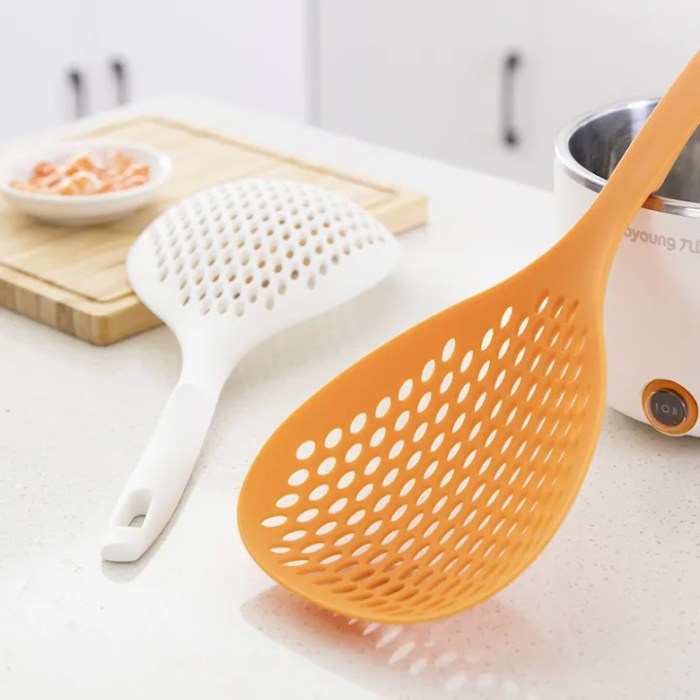
Japanese colanders, prized for their aesthetic appeal and functional design, are often crafted with a deep respect for tradition. This reverence extends to the selection of materials and the meticulous craftsmanship techniques employed, contributing to the enduring quality and beauty of these culinary tools. The materials chosen not only influence the colander’s appearance but also its performance, ensuring optimal drainage and a lasting presence in the kitchen.The inherent connection between materials and the cultural ethos of Japan is reflected in the choice of materials and the precise techniques used in their construction.
The colander, often a staple in Japanese kitchens, becomes a tangible embodiment of the country’s commitment to quality, functionality, and aesthetic harmony.
Traditional Materials
The traditional crafting of Japanese colanders frequently employs materials like bamboo and stainless steel. Bamboo, a readily available and sustainable resource, offers a natural aesthetic that complements the minimalist sensibilities of Japanese design. Its flexibility and strength make it suitable for creating both intricate and robust colanders. The subtle variations in bamboo’s natural grain add character and visual interest.
Stainless steel, known for its durability and hygienic properties, is another common choice. Its sleek, unadorned surface can complement the elegance of contemporary or traditional Japanese interiors.
Craftsmanship Techniques
Traditional Japanese craftsmanship emphasizes meticulous attention to detail. Colander construction often involves painstaking hand-weaving techniques for bamboo, creating a complex lattice pattern that promotes efficient drainage while preserving the natural beauty of the material. In stainless steel production, expert metalworkers meticulously shape and form the metal, often using traditional hammering techniques to achieve a desired form and ensure optimal functionality.
The techniques employed in shaping and polishing the steel impart a lustrous finish, adding a touch of elegance to the final product.
Modern Materials
Contemporary Japanese colander design incorporates a wider array of materials, reflecting evolving needs and design trends. These materials include high-grade plastics, offering a combination of durability and lightness, often in innovative shapes and colours that complement modern kitchen aesthetics. Glass, with its transparency, provides an elegant display of the contents being drained, adding a visual appeal beyond the utilitarian function.
Examples of Material Contributions to Aesthetic Appeal
The choice of material directly influences the aesthetic of the colander. Bamboo’s natural grain patterns create a unique visual texture, while stainless steel’s sleek surface reflects light, imparting a sense of understated sophistication. Contemporary designs using glass and plastic offer versatility in both form and color, allowing for the creation of colanders that seamlessly integrate into diverse kitchen styles.
Table Comparing Traditional and Modern Materials
| Characteristic | Traditional Materials (Bamboo, Stainless Steel) | Modern Materials (Glass, High-Grade Plastics) |
|---|---|---|
| Sustainability | Generally sustainable, depending on sourcing and responsible harvesting practices. | Can be sustainable depending on the specific plastic type and recycling infrastructure. |
| Durability | High durability, especially with proper care. | High durability in many modern plastics; varying degrees depending on quality and use. |
| Aesthetics | Natural, organic, and minimalist. | Modern, versatile, and potentially more visually engaging through color and shape. |
| Maintenance | May require occasional cleaning and polishing. | Generally easy to clean, although some materials may require special care. |
| Cost | Potentially lower, depending on the source and craftsmanship. | Potentially higher for premium materials and unique designs. |
Context and Applications
Japanese colanders, imbued with a minimalist aesthetic, transcend their functional purpose. Beyond simply draining pasta, they embody a philosophy of refined practicality, seamlessly integrating into the heart of Japanese kitchens and reflecting a broader design sensibility. This refined approach to kitchenware extends beyond the immediate context of the kitchen, influencing broader design trends.The aesthetic of Japanese colanders, with its emphasis on clean lines, natural materials, and subtle craftsmanship, provides a potent model for contemporary kitchenware design.
This approach, often prioritizing functionality over extravagance, suggests a shift away from overly ornate or overly complicated designs. The minimalist aesthetic influences the design language of other kitchen utensils and appliances, moving towards a more streamlined, functional approach.
Typical Usage Settings
Japanese colanders are commonly found in meticulously organized Japanese kitchens. They are integral parts of the daily culinary routine, used for draining various ingredients, from noodles and vegetables to seafood. The focus on simplicity and functionality ensures that the colander is an unobtrusive yet essential element within the space. The context is one of efficient and elegant preparation, showcasing a connection between form and function.
Influence on Kitchenware Design
The influence of Japanese colander aesthetics extends beyond the realm of simple kitchenware. The clean lines and natural materials often inspire designers to create contemporary kitchenware that is both aesthetically pleasing and highly functional. This trend is observable in modern kitchenware collections worldwide, demonstrating the enduring appeal of Japanese design principles.
Incorporation into Other Japanese Design Elements
The minimalist approach of Japanese colanders is echoed in other aspects of Japanese design. This includes the use of natural materials in furniture, the emphasis on spatial organization in interior design, and the selection of simple, elegant forms in decorative objects. The seamless integration of these elements highlights a common thread of understated elegance and functionality. The aesthetic of simplicity and practicality, inherent in the colander, manifests itself in numerous design disciplines.
Translation into Other Design Areas
The principles underlying Japanese colanders, such as minimalism, functionality, and the use of natural materials, can be translated into other design areas. This includes furniture design, where clean lines and natural materials can create elegant and comfortable pieces. The emphasis on functionality and durability extends to accessories, leading to items that are both aesthetically pleasing and practical. The enduring appeal of Japanese design principles transcends specific applications, influencing a broader range of design disciplines.
Diverse Uses and Contexts
| Use Case | Context |
|---|---|
| Draining pasta | Everyday home cooking |
| Washing vegetables | Preparing ingredients |
| Storing produce | Organized kitchen storage |
| Serving food | Formal or casual dining |
| Displaying food | Aesthetically pleasing presentation |
This table illustrates the multifaceted nature of Japanese colanders. Their versatility allows for their integration into various stages of the culinary process, highlighting their value beyond simple draining. The design transcends its function to become a tool for both preparation and presentation.
Visual Imagery and Symbolism
Japanese colanders, more than mere kitchen tools, often carry rich visual imagery and symbolic meanings deeply rooted in Japanese aesthetics. These subtle cues, embedded in design choices, resonate with the cultural values of harmony, simplicity, and connection with nature. The aesthetic frequently draws inspiration from natural forms and motifs, imbuing the colander with a sense of serene beauty beyond its functional purpose.Beyond the practical function, the symbolic layers in Japanese colander design contribute to a deeper understanding of the product’s cultural significance.
These symbols frequently connect to broader cultural narratives, reflecting the importance of tradition, respect for nature, and the pursuit of beauty in everyday life.
Common Visual Imagery
The visual imagery frequently associated with Japanese colanders often draws inspiration from natural elements. Circular shapes, often found in the colander’s body and handles, are frequently encountered and are deeply symbolic in Japanese aesthetics. The subtle curves and organic forms echo the natural world, creating a sense of harmony and balance. Lines and patterns, often inspired by bamboo, leaves, or water, also appear in the colander’s design, further connecting it to the surrounding environment.
Symbolic Meanings
The symbolism embedded within Japanese colander design extends beyond the purely visual. The use of specific imagery can convey cultural values, highlighting the importance of natural elements, craftsmanship, and mindful living. These values often align with traditional Japanese philosophies like Zen Buddhism, which emphasizes simplicity and mindfulness.
Imagery and Symbolism Table
| Imagery | Symbolism |
|---|---|
| Circular shapes | Symbolizes wholeness, completeness, and the cyclical nature of life. Also often represents the universe, as seen in traditional Japanese art. |
| Bamboo patterns | Represents strength, flexibility, and resilience, echoing the enduring spirit of the Japanese people. |
| Water patterns | Symbolizes purity, flow, and the continuous cycle of nature. Often represents fluidity and change. |
| Leaf patterns | Connects to the beauty of nature, emphasizing the delicate balance of the natural world. |
| Natural wood grains | Emphasizes the connection to the earth, the importance of natural materials, and the beauty of simplicity. |
Examples of Symbolic Designs
A colander featuring a subtle bamboo-like pattern on the handle might evoke a sense of strength and adaptability. A colander with a smooth, almost translucent surface might suggest a connection to water, emphasizing purity and flow. Similarly, a colander with an intricate, circular design at its base might be interpreted as a representation of the universe, reflecting the concept of wholeness and completeness.
These design choices, while seemingly subtle, can significantly contribute to the overall symbolic message conveyed by the colander.
Patterns and Textures
The use of patterns and textures in Japanese colanders plays a crucial role in creating the aesthetic. These elements often serve to enhance the sense of natural beauty and craftsmanship. Subtle, repeating patterns, often derived from natural forms, create a sense of harmony and balance. Smooth, natural textures of materials like bamboo or wood emphasize the inherent beauty of the material.
The choice of patterns and textures can evoke specific emotions and associations in the viewer, further deepening the aesthetic impact of the colander.
Contemporary Interpretations
The Japanese colander aesthetic, steeped in centuries of tradition, continues to resonate in contemporary design. Its emphasis on minimalism, functionality, and natural materials is proving remarkably adaptable to modern sensibilities. This evolution reflects a growing appreciation for sustainable practices and a desire for objects that seamlessly integrate into modern lifestyles.The core principles of the Japanese colander aesthetic – simplicity, practicality, and a connection to nature – have been reimagined in various contemporary design contexts.
Modern designers are finding innovative ways to integrate these principles into a wider range of products, moving beyond the traditional colander form.
Modern Adaptations in Design
The principles of the Japanese colander aesthetic, including the focus on clean lines, natural materials, and thoughtful functionality, are influencing a diverse range of contemporary products. Designers are not just replicating the aesthetic; they are adapting and reinterpreting it. For instance, minimalist furniture often employs similar principles of form and material selection. This adaptability allows the aesthetic to transcend its original application, enriching modern design vocabulary.
Examples of Contemporary Designs
Contemporary designs inspired by the Japanese colander aesthetic showcase a blending of tradition and innovation. A notable example is the use of bamboo in contemporary furniture. Bamboo, with its natural strength and lightness, resonates with the colander’s emphasis on natural materials. Similarly, the focus on functionality is evident in the development of modern kitchenware that blends form and function.
These designs often incorporate subtle, elegant curves and shapes, drawing inspiration from the natural world. Another example is the integration of minimalist aesthetics into home decor, including lighting fixtures and storage solutions.
Evolution of the Aesthetic
The Japanese colander aesthetic has evolved significantly over time, mirroring societal shifts and technological advancements. Initially focused on practical tools for everyday tasks, it has broadened its scope to encompass a wider range of design elements. The evolution is not merely a chronological progression; it’s a dynamic interplay of tradition and innovation.
| Era | Key Characteristics | Design Examples |
|---|---|---|
| Pre-WWII | Emphasis on practicality and natural materials. Focus on the function of the colander. | Hand-crafted bamboo colanders, simple designs. |
| Post-WWII to 1980s | Increased industrialization. Initial explorations of modern materials, alongside traditional methods. | Colanders made with metal, but retaining the core aesthetic of natural materials like bamboo. |
| 1990s to 2000s | Emphasis on sustainability and minimalism. Integration of the aesthetic into broader design concepts. | Bamboo colanders with minimalist designs, design of kitchen appliances with a subtle, almost Japanese aesthetic. |
| 2010s to Present | Fusion of tradition and innovation. A wider range of materials and applications. Focus on environmentally conscious design. | Contemporary kitchenware with Japanese aesthetics. Integration of the aesthetic into modern furniture and home decor. |
Inspiration and Inspiration Sources
Japanese colander aesthetics draw profound inspiration from the natural world, reflecting a deep-seated reverence for nature inherent in Japanese culture. This connection manifests in the meticulous attention to detail, the use of natural materials, and the harmonious integration of form and function. The designs often evoke a sense of serenity and tranquility, drawing on the beauty and simplicity found in nature.The design principles of Japanese colanders are deeply rooted in a philosophy of appreciating the beauty in simplicity and functionality.
This philosophy, central to Japanese aesthetics, is manifested in the subtle elegance and practicality of the colanders. The integration of nature into the design underscores a harmonious relationship between humans and their environment.
Nature-Inspired Design
Japanese colander designs often mimic the forms and textures found in nature. This reflects a profound appreciation for the natural world and its intricacies. The flowing lines of water, the graceful curves of leaves, and the intricate patterns of wood grain often serve as inspiration.
- Bamboo colanders, with their natural, organic forms, often mimic the graceful curves of bamboo stalks. Their light weight and durability are also key aspects of their appeal. The natural variations in the bamboo’s grain and color add to the unique aesthetic of each colander.
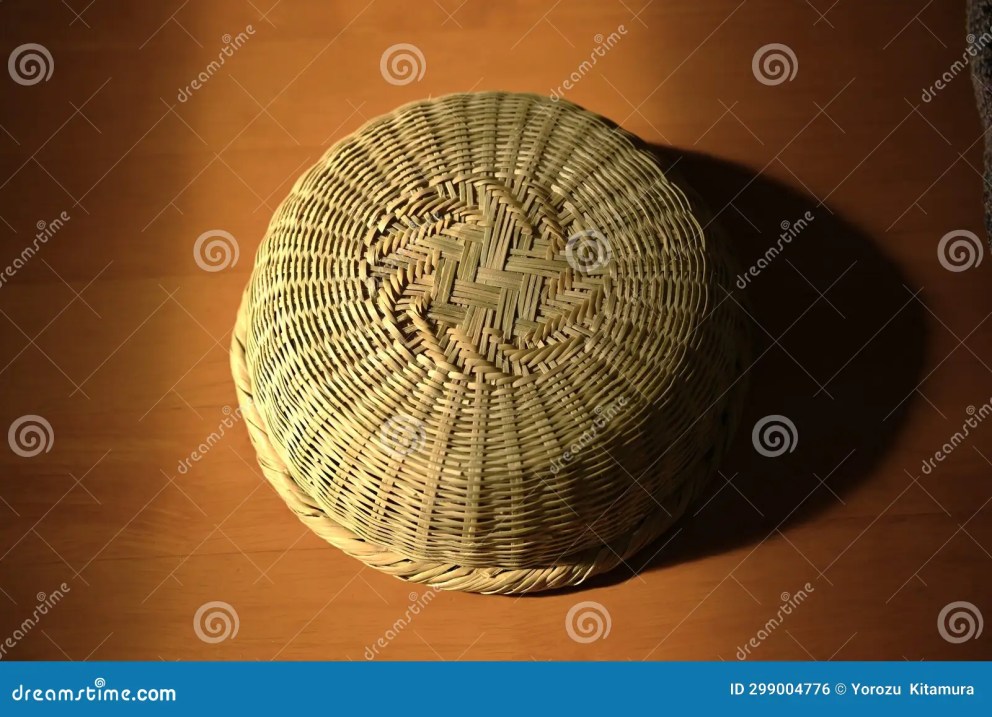
- Wicker colanders, woven from natural materials like rattan or willow, evoke the textures and patterns of natural fibers. The intricate weave adds visual interest and allows for a light, airy design, while maintaining structural integrity.
- Stoneware colanders, particularly those with subtle variations in color and texture, draw inspiration from the natural formations of rocks and stones. These often have a raw, unpolished aesthetic that highlights the beauty of the natural material.
Influence of Traditional Japanese Art
Traditional Japanese art forms, like calligraphy, painting, and woodblock prints, profoundly influence the aesthetic of Japanese colanders. The emphasis on simplicity, balance, and the use of natural colors and textures permeates these art forms and translates into the design of colanders. This artistic influence results in a harmony between the functional and the aesthetically pleasing.
- The use of minimalist design principles, reminiscent of Zen gardens, is frequently seen in contemporary Japanese colander designs. The focus on clean lines and essential forms, while maximizing functionality, demonstrates this aesthetic principle.
- The incorporation of traditional Japanese color palettes, often using earthy tones like browns, greens, and creams, adds a sense of serenity and harmony to the colander. These colors are often inspired by natural elements like wood, leaves, and stone.
Nature-Inspired Materials
The materials used in Japanese colanders often come directly from nature. This choice highlights the respect for natural resources and their integration into everyday objects. The natural qualities of the materials, such as texture, color, and grain, are often preserved, further emphasizing the natural inspiration.
- Bamboo, known for its strength and sustainability, is a popular material for colanders due to its natural resilience and unique aesthetic.
- Rattan, a flexible vine, is often used to create intricate weaves that add both visual appeal and durability to the colanders. Its inherent flexibility allows for a wide range of designs.
- Wood, sourced from various trees, lends a warmth and natural beauty to colanders. The grain and color variations add to the unique character of each piece.
Cultural and Social Impact
The Japanese colander, a seemingly simple kitchen utensil, holds profound cultural and social significance, deeply interwoven with daily life, traditions, and aesthetics. Its presence transcends mere functionality, becoming a symbol of meticulous preparation, respect for ingredients, and a connection to the natural world. This extends beyond the home, influencing design aesthetics and showcasing the country’s dedication to craftsmanship and detail.Beyond its practical use, the colander reflects Japan’s emphasis on visual harmony and the appreciation of understated elegance.
Its form, often minimalist and subtly refined, speaks volumes about Japanese design principles, emphasizing both practicality and beauty.
Cultural Significance
The Japanese colander’s cultural significance stems from its deeply ingrained role in food preparation and presentation. More than just a tool, it symbolizes a reverence for fresh ingredients and the delicate process of preparing them. This reverence is central to many Japanese culinary traditions, which often prioritize the preservation of natural flavors and textures. The selection and preparation of food are often ritualistic, with each step considered important and meaningful.
The colander’s role in this process reinforces the cultural value placed on meticulousness and attention to detail.
Social Impact
The colander aesthetic, characterized by its minimalist design and refined craftsmanship, has influenced broader social trends in Japan. Its elegance and functionality have resonated with a design-conscious public, contributing to a culture that values both utility and beauty. The colander, as a design object, reflects the nation’s commitment to creating functional items that are also aesthetically pleasing. This influence extends beyond the kitchen, affecting interior design and the overall appreciation of well-crafted objects.
Role in Japanese Daily Life
The colander is an indispensable part of Japanese daily life. Its presence in homes is as ubiquitous as the rice cooker or the tea ceremony utensils. The act of rinsing vegetables or draining pasta is often viewed as a meditative moment, connecting the individual to the food and the process of preparing it. Its routine use underscores the importance of preparation and the appreciation for the raw ingredients.
This act of preparation transcends mere functionality, embodying a sense of ritual and connection to nature.
Colander’s Place in Japanese Traditions
The colander’s role in Japanese traditions extends beyond simple practicality. Its presence is often linked to specific seasonal dishes and rituals, reflecting the strong connection between food, nature, and tradition. For example, the meticulous rinsing of vegetables before preparing a summer salad underscores the reverence for seasonal produce. This ritualistic use, coupled with the colander’s aesthetic appeal, creates a deeper connection to Japanese cultural values.
Significance in Japanese Culture (Table)
| Aspect | Significance |
|---|---|
| Food Preparation | Central to Japanese culinary traditions, symbolizing respect for ingredients and the meticulous process of preparation. |
| Aesthetics | Reflects Japanese design principles, emphasizing both practicality and beauty. |
| Daily Life | Indispensable in Japanese homes, connecting individuals to the food and preparation process. |
| Ritualistic Use | Linked to specific seasonal dishes and rituals, emphasizing reverence for nature and seasonal produce. |
| Social Influence | Influencing broader social trends in Japan, impacting design aesthetics and appreciation for well-crafted objects. |
Potential Applications
The meticulously crafted aesthetic of Japanese colanders, emphasizing simplicity, functionality, and enduring beauty, presents compelling opportunities for broader application beyond culinary use. This refined aesthetic, rooted in centuries of design principles, can be adapted and reimagined for a wide array of products, injecting a subtle elegance into modern design.Japanese colander aesthetics, characterized by clean lines, minimalist forms, and a focus on natural materials, offer a timeless appeal that resonates across diverse product categories.
From furniture to accessories, the principles of this aesthetic can elevate design, imbuing objects with a sense of understated sophistication.
Expanding the Design Language
The minimalist elegance of Japanese colanders, with their focus on functionality and natural materials, offers a fertile ground for expanding the design language across various product categories. This aesthetic can be applied to a range of products beyond kitchenware, infusing them with a sense of refined simplicity.
- Furniture Design: Imagine a dining table with a subtly sloped surface, reminiscent of a colander’s base, crafted from polished wood or a modern composite material. Similarly, a low-profile bookshelf with gently curved edges could echo the contours of a colander’s rim. These elements can imbue furniture with a refined, almost Zen-like quality, complementing contemporary interior design trends.
- Home Accessories: Japanese colander aesthetics can be adapted to produce elegant trays, decorative bowls, or even wall-mounted organizers. The focus on natural materials like bamboo or polished metal, combined with clean lines, can transform everyday accessories into objects of understated beauty.
- Lighting Fixtures: The delicate, yet strong, structure of a colander could inspire innovative lighting fixtures. A pendant light with a cascading, filtered light source, resembling a colander’s perforations, could create a unique and visually interesting lighting element in a modern home.
Modern Interpretation of a Japanese Colander
A modern reinterpretation of a Japanese colander for a new product should retain the core principles of functionality, aesthetic appeal, and sustainability. This new product should address modern needs while respecting the traditional craft.
- Product Name: “Flow” Colander
- Material: Recycled stainless steel with a brushed finish. The choice of recycled material reflects sustainability, a growing consumer concern. The brushed finish adds a subtle warmth and texture without sacrificing the clean aesthetic.
- Form Factor: A larger colander with a wider rim, making it suitable for larger batches of produce and vegetables, and adaptable to modern needs of large families or commercial applications. The shape is streamlined, with gentle curves and minimal ornamentation. The perforations are designed for optimal drainage and are optimized for various produce types.
- Functionality: Built-in handles, ergonomically designed for comfortable use. An optional built-in strainer attachment allows for separating liquids from solids. This feature is highly functional and addresses modern kitchen workflows.
Innovative Applications
Innovative applications of the Japanese colander aesthetic can be found in unexpected places, from architectural design to industrial design. The emphasis on simplicity, functionality, and natural materials translates to innovative solutions.
- Architectural Elements: Consider using the perforated design of a colander in facade elements of a building. This could provide ventilation and aesthetic appeal while maintaining a minimalist design. The light filtering through the perforations could create unique visual effects.
- Industrial Design: The principle of efficient drainage in a colander can be applied to industrial-scale filtration systems. The perforated design could be used in water purification systems to optimize water flow and reduce maintenance. This approach combines traditional craftsmanship with modern engineering principles.
Design Brief for a New Product
This design brief Artikels the development of a new product incorporating the Japanese colander aesthetic.
| Feature | Description |
|---|---|
| Product Name | “Zenith” Colander Set |
| Target Market | Modern home cooks seeking stylish and functional kitchenware. |
| Materials | Sustainable bamboo with a natural oil finish. |
| Design Principles | Clean lines, minimal ornamentation, emphasis on functionality. |
| Functionality | Large capacity, multiple sizes for various tasks. Integrated strainer for ease of use. |
| Aesthetic | Blends traditional Japanese aesthetics with contemporary design. |
Relationship to Other Aesthetes
The Japanese colander aesthetic, rooted in centuries of meticulous craftsmanship and a deep connection to nature, presents a unique perspective within the broader landscape of Asian design. Its subtle elegance and functional simplicity offer a compelling comparison to other prominent Asian aesthetics, revealing both shared threads and distinct characteristics. This exploration delves into the colander aesthetic’s relationship with other design concepts, highlighting its influence on contemporary design and its cultural significance.The Japanese colander aesthetic, while distinct, shares common ground with other Asian design traditions.
Elements of minimalism, functionality, and a reverence for natural materials are frequently encountered in Chinese, Korean, and Southeast Asian aesthetics. However, the colander aesthetic often emphasizes a more restrained, almost monastic approach, contrasting with the sometimes more exuberant or decorative styles found in other traditions.
Comparison with Other Asian Aesthetics
The colander aesthetic, with its emphasis on form and function, contrasts with some more overtly decorative approaches in other Asian aesthetics. For instance, while both Japanese and Chinese design often utilize natural materials, the colander aesthetic prioritizes a restrained beauty, avoiding excessive ornamentation. This emphasis on clean lines and subtle artistry differentiates it from some elaborate decorative styles prevalent in certain Southeast Asian traditions.
Similarity to Other Design Concepts
The colander aesthetic, with its focus on practical design, displays similarities to Scandinavian minimalism. Both emphasize simplicity, functionality, and a natural palette. However, the Japanese aesthetic often incorporates a deeper cultural context, drawing on principles of harmony with nature and mindful craftsmanship, which are less explicitly present in some Scandinavian designs. Further, the Japanese colander’s historical context and connection to traditional Japanese values offer a unique perspective that transcends mere functional design.
Relationship to Cultural Design Movements
The colander aesthetic aligns with the broader Japanese design philosophy of wabi-sabi, which values the beauty of imperfection and the transient nature of things. This approach is reflected in the colander’s often deliberately imperfect, yet graceful, forms. The aesthetic also resonates with the principles of shibui, which emphasizes a restrained beauty that speaks to the essence of a material or object, enhancing its aesthetic appeal without ostentatious embellishment.
Examples of Colander Designs Evoking Other Asian Influences
Contemporary colander designs incorporating elements from other Asian aesthetics are emerging. For example, a colander featuring subtly carved bamboo handles, reminiscent of Southeast Asian craftsmanship, would incorporate the use of local materials while still retaining the core principles of the Japanese colander aesthetic. Similarly, the use of a muted color palette, inspired by traditional Chinese porcelain, could subtly enhance the colander’s inherent aesthetic without overwhelming its core design.
Table Comparing Colander Aesthetic with Other Asian Aesthetics
| Aesthetic | Key Characteristics | Comparison to Colander |
|---|---|---|
| Japanese Colander | Emphasis on simplicity, functionality, natural materials, wabi-sabi principles | Directly aligned with minimalist design principles, often incorporates wabi-sabi and shibui |
| Chinese Porcelain | Often highly decorative, rich color palettes, intricate designs | Contrasting; Japanese colanders tend to favor a restrained approach to ornamentation. |
| Korean Pottery | Emphasis on functional beauty, often with subtle patterns and designs | Shares an appreciation for functionality and natural materials, though might vary in decorative elements. |
| Southeast Asian Craftsmanship | Often intricate carvings, use of local materials | Potentially complementary; elements of Southeast Asian craftsmanship could be incorporated without compromising the core principles. |
Final Review
In conclusion, the Japanese colander aesthetic offers a compelling case study in design philosophy, showcasing the interplay of tradition, innovation, and cultural significance. This meticulous attention to detail, coupled with the rich symbolism embedded in its design, makes it a unique and enduring source of inspiration for contemporary design.
